


Recovery Is More Than Healing Tissue


When most people think about physical therapy, they think about exercises. Strengthening. Stretching. Mobility work. Balance drills. Gradually getting back to running, cycling, or lifting.
And while all of those things are important, I've come to believe that recovery is about more than healing muscles, tendons, bones, and joints.
After working with endurance athletes for years—and going through my own injuries along the way—I've realized that some of the hardest parts of recovery have very little to do with the injured tissue itself. They're the conversations happening in your head. The uncertainty. The frustration. The disappointment. The fear that you're losing fitness or falling behind.
None of those things show up on an MRI, but they can have a huge impact on how we experience an injury.
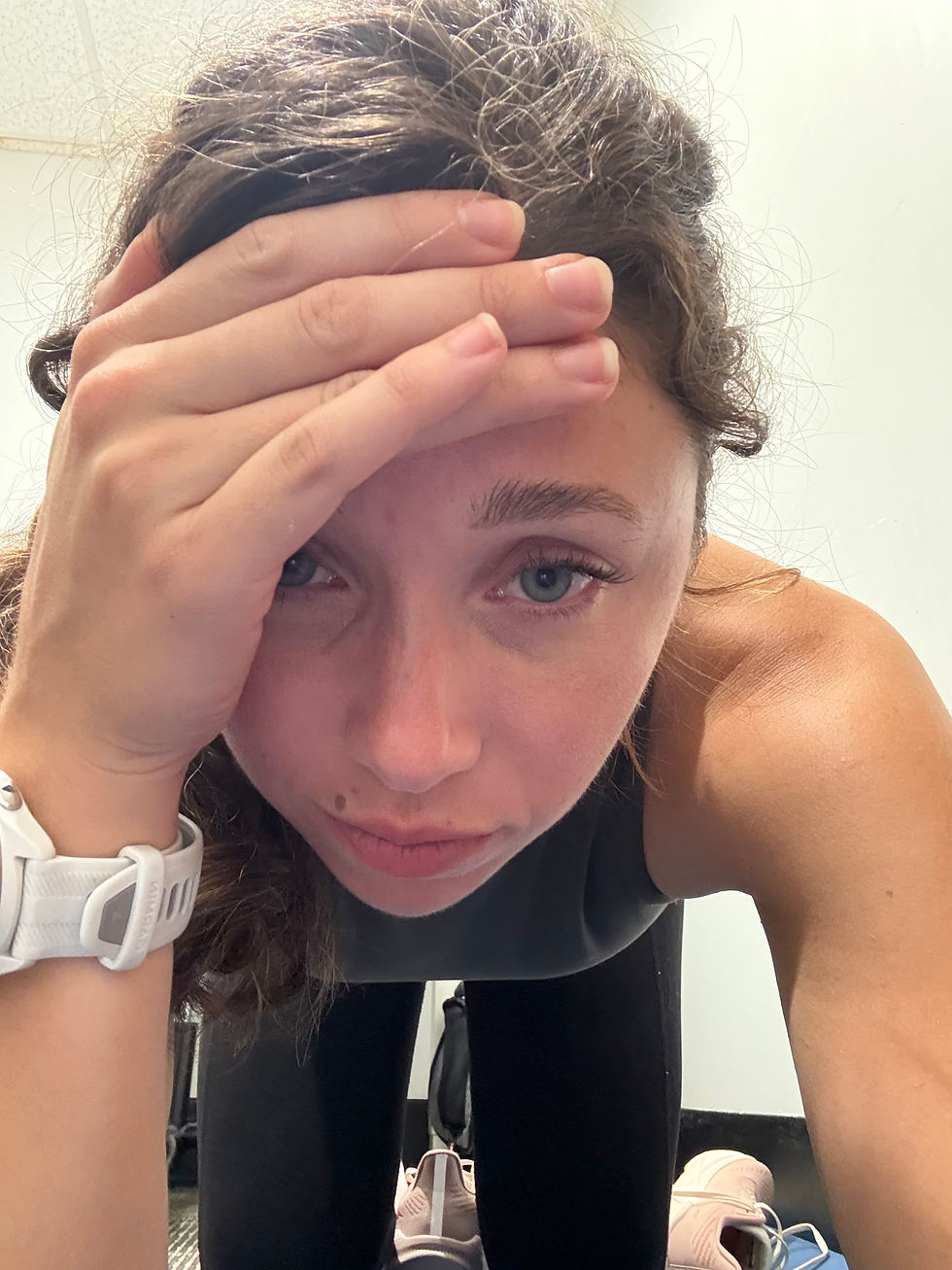
Your Body Is Not the Enemy
One of the first things I hear from injured athletes is some version of, "My body is failing me."
I understand where that feeling comes from. I've felt it myself. When you're training consistently, feeling strong, and working toward a goal, an injury can feel like a betrayal, especially if you've had repeated injuries. It can feel like your body is preventing you from doing the thing you love most.
Over time, though, I've started to look at pain differently.
Instead of viewing pain as my body working against me, I try to view it as information. Sometimes that information is telling me that a tissue needs more time. Sometimes it's telling me that my training load exceeded my current capacity. Sometimes it's simply asking me to change my strategy.
That doesn't mean pain is pleasant or that you should be grateful for being injured. It just means that treating your body like an enemy often creates an unnecessary battle. Recovery tends to feel a little easier when we stop fighting our bodies and start listening to what they're trying to tell us.
It's Okay to Be Disappointed

One thing I don't think we talk about enough in the rehab world is grief. Not grief in the traditional sense, but grief over the loss of something you were genuinely excited about.
When most people think about an injury, they think about pain. What they don't always think about is everything that comes with it. Maybe it's the race you've been training for all year. Maybe it's the group ride you were looking forward to. Maybe it's simply the stress relief that comes from getting outside and moving your body.
As endurance athletes, we invest a lot into our sport. We build routines around it. We plan weekends around it. Some of our closest friendships come from it. So when an injury disrupts that, it makes sense that we'd feel disappointed.
I've had athletes tell me they feel guilty for being upset because "it's just a race." While that may be true, it's also okay to acknowledge that the race mattered to you. You don't have to compare your disappointment to someone else's struggles in order for it to be valid.
The goal isn't to stay stuck in that disappointment forever. But I do think giving yourself permission to feel it is healthier than pretending it isn't there. You don't have to immediately find the lesson or convince yourself everything happens for a reason. Sometimes the healthiest thing you can say is, "This really sucks."
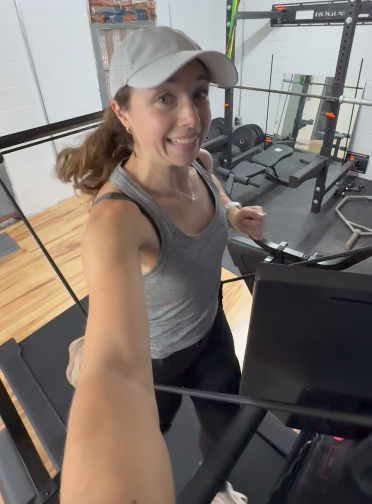
Having a Plan Reduces Fear
One of the hardest parts of being injured isn't necessarily the injury itself. It's not knowing what to do next.
Can I run? Should I run? Am I making this worse? How long is this going to take?
I've seen athletes visibly relax during an evaluation before we've even started treatment. Not because they're suddenly healed, but because they finally have a plan.
One of the biggest benefits of physical therapy isn't that we can predict exactly when you'll feel better. We can't. Every injury and every athlete is different. What we can do is provide direction. We can help you understand what tissue is involved, what activities are safe, and what progress might reasonably look like.
There's a huge difference between being injured and feeling lost versus being injured and knowing what the next step is.

Focus on What You Can Still Do
When we're injured, it's easy to become fixated on everything we've lost.
The run we can't do. The race we're missing. The fitness we feel slipping away.
I've certainly fallen into that trap before. When I was dealing with shin pain during marathon training, my first instinct was to focus on everything that might be taken away from me. But once the initial panic settled, I shifted my attention toward what I could still do. I could still bike. I could still strength train. I could still spend time with my training partners. I could still move my body.
That shift didn't make the injury disappear, but it made me feel like I still had some control over the situation.
Most injuries don't require us to stop doing everything. They usually require us to modify.
Focusing on what remains possible creates a very different experience than focusing exclusively on what is temporarily unavailable.

Recovery Is Rarely Linear
Athletes love measurable progress.
We like seeing mileage increase, paces improve, and power numbers climb. Naturally, we expect recovery to work the same way.
Unfortunately, it usually doesn't.
Most recoveries include good days, bad days, setbacks, and random flare-ups that don't seem to make any sense. You might feel great for a week and then wake up sore one morning for no obvious reason.
That doesn't necessarily mean you're moving backward.
One of the most helpful things I've learned is to stop evaluating recovery based on a single day. Instead, I try to zoom out and ask a bigger question:
"Am I doing better than I was a month ago?"
That question tends to paint a much more accurate picture than obsessing over daily fluctuations.
Your Worth Is Not Your Fitness
This might be the hardest lesson on this list.
As endurance athletes, our sports become a big part of who we are. We spend hours training.
We set goals. We build friendships through our sport. We structure our lives around it.
There's nothing wrong with that. The problem happens when we start believing that our value as a person rises and falls with our fitness.
Injuries have repeatedly taught me that I'm still me, regardless of whether I'm training for a marathon, recovering from a setback, or taking time completely away from sport. I'm still a physical therapist. I'm still a friend, daughter, partner, and business owner. Running and triathlon are important parts of my life, but they're not the only things that define me.
I've found that athletes tend to navigate injuries a little more smoothly when they have things outside of sport that matter to them too. Relationships, hobbies, work, community, and personal growth all provide reminders that we are more than our training logs.
Final Thoughts
Improving your mindset won't magically heal an injury. Tissues still heal on their own timelines, and some injuries are simply more challenging than others.
But the way we think about an injury can absolutely influence our experience recovering from it.
If you can learn to work with your body instead of against it, allow yourself space to process disappointment, focus on what remains possible, and remember that your worth isn't tied to your fitness, rehab often feels a little less overwhelming.
Recovery is about more than healing tissue. It's about learning how to navigate the challenges that come with being human while continuing to pursue the sports you love.


Comments